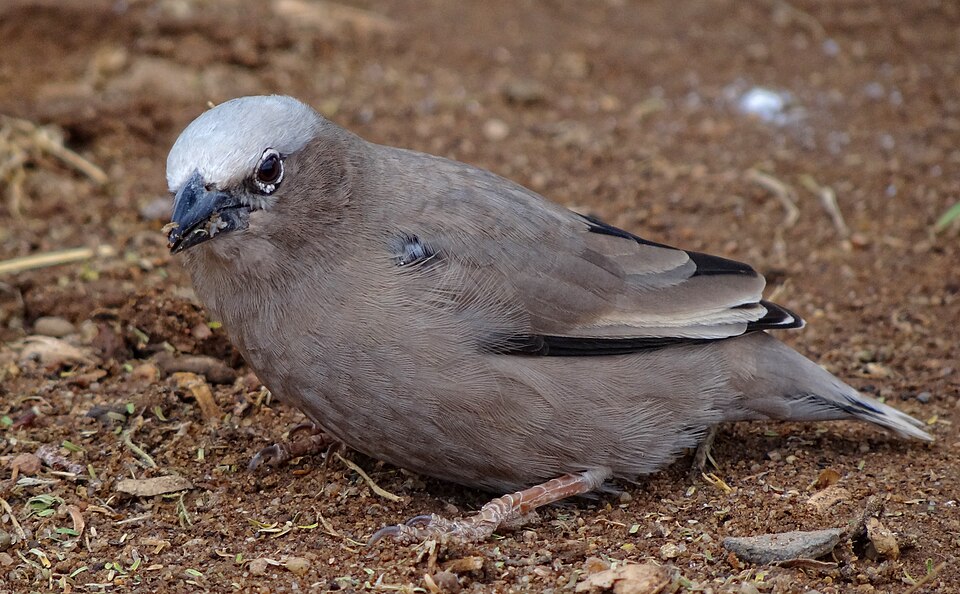
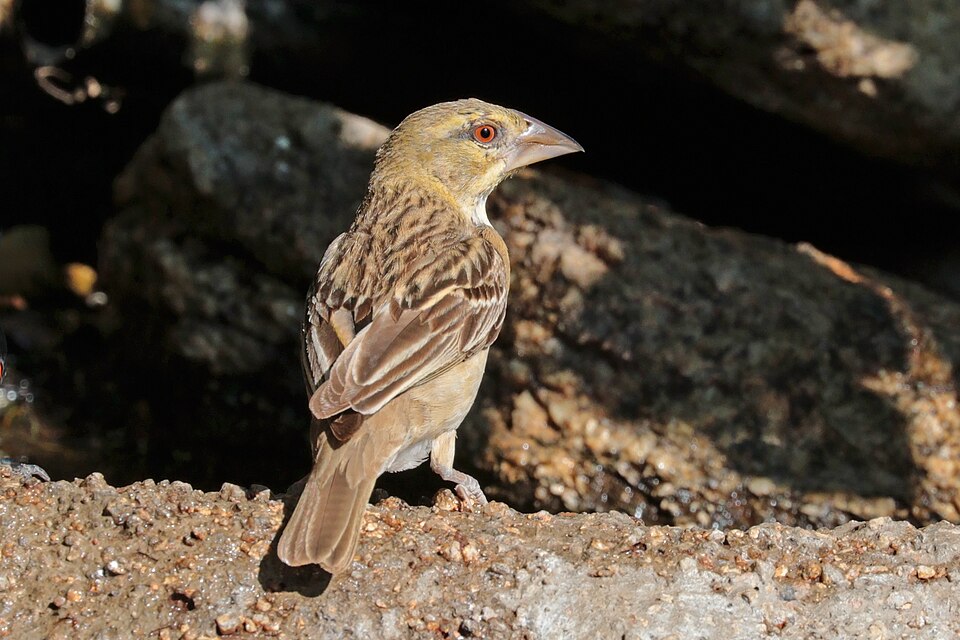
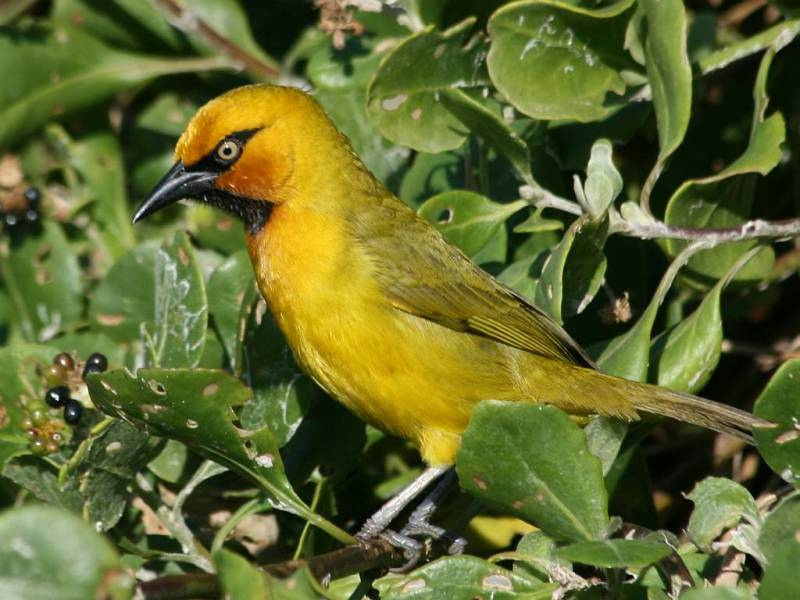
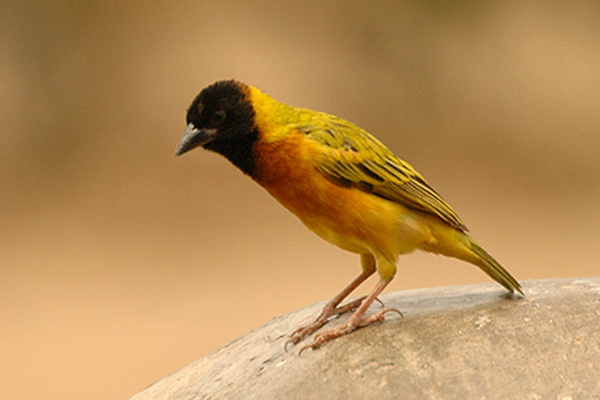
 Photo : Tom Tarrant ·
CC BY-SA 3.0 ·
Wikimedia Commons
Tisserin à tête noire
Ploceus melanocephalus
Famille : Ploceidae
Ordre : Passereaux (canaris, diamants, pinsons…)
🗣️ Comment l'appelle-t-on ?
FrançaisTisserin à tête noire
AnglaisBlack-headed Weaver
EspagnolTejedor cabecinegro
AllemandSchwarzkopfweber
ItalienTessitore testanera
NéerlandaisZwartkopwever
Portugais (Portugal)tecelão-de-cabeça-preta
Voir les 23 autres langues
- Bulgare
- Черноглав тъкач
- Catalan
- teixidor capnegre
- Chinois
- 黑头黄背织雀
- Chinois traditionnel
- 黑頭黃背織布鳥
- Croate
- crnoglava pletilja
- Danois
- Sorthovedet Væver
- Espéranto
- nigrakapa teksbirdo
- Estonien
- mustpea-kangurlind
- Finnois
- mustapääkutoja
- Français (usage Gaudin)
- Malimbe à tête noire
- Hongrois
- feketefejű szövőmadár
- Japonais
- ズグロハタオリ
- Lituanien
- juodagalvis audėjas
- Norvégien
- svarthodevever
- Polonais
- wikłacz czarnogłowy
- Portugais (Brésil et pays lusophones)
- tecelão-de-cabeça-preta
- Russe
- Черноголовый ткач
- Serbe
- Crnoglava tekstor tkalja
- Slovaque
- pletiarka čiernohlavá
- Suédois
- svarthuvad vävare
- Tchèque
- snovač černohlavý
- Turc
- Kara Başlı Dokumacı
- Ukrainien
- ткачик чорноголовий
💡 Le saviez-vous ?
- Son nom scientifique se lit en deux mots : le genre Ploceus et l'espèce melanocephalus.
- Il est connu sous 30 noms dans 30 langues ou variantes.
- Sa famille, les Ploceidae, compte 122 espèces dans le référentiel IOC.
Référentiel : IOC World Bird List 15.2. Photos : crédits.